Grow & Learn: soybeans for gardens, schools & 4-H
Grow soybeans at home or in the classroom, try hands-on activities, print free worksheets, and cook what you harvest.
Pick a place to start
Free, practical soybean resources for backyard gardeners, K–12 classrooms, homeschool families, 4-H clubs and FFA chapters.
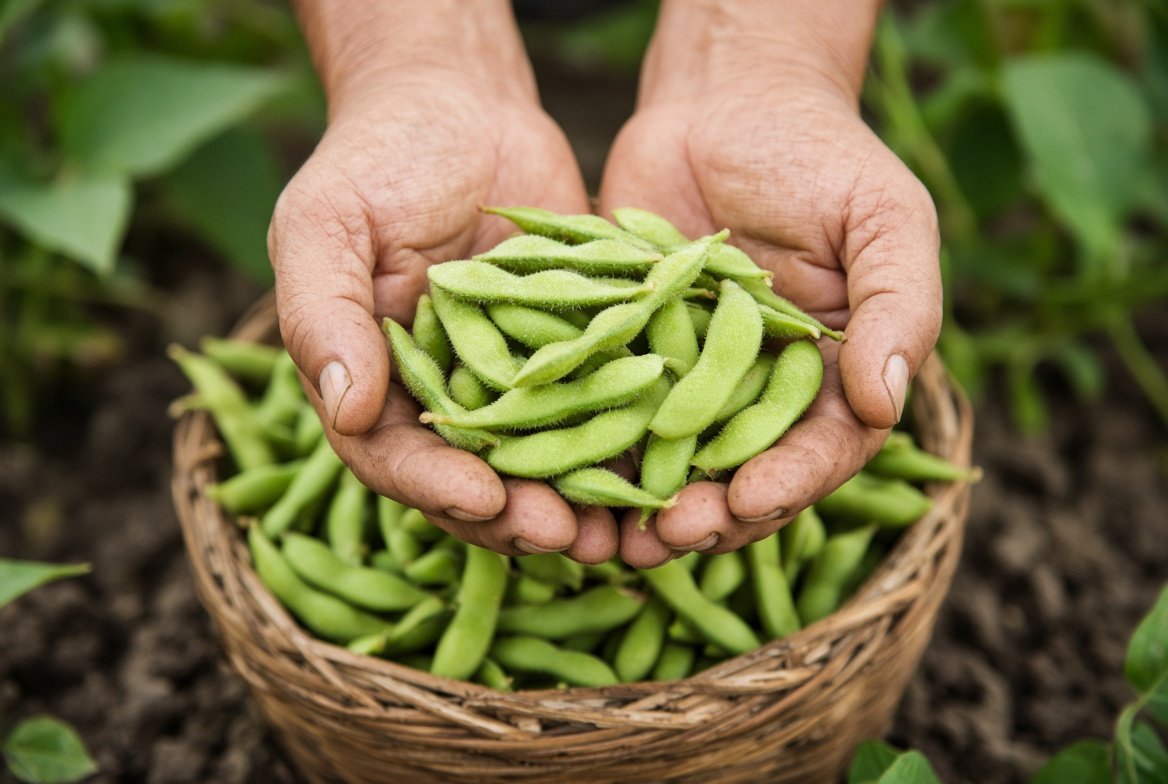
Grow Soybeans at Home or School
Planting dates, spacing, pots and harvest — step by step.
Open →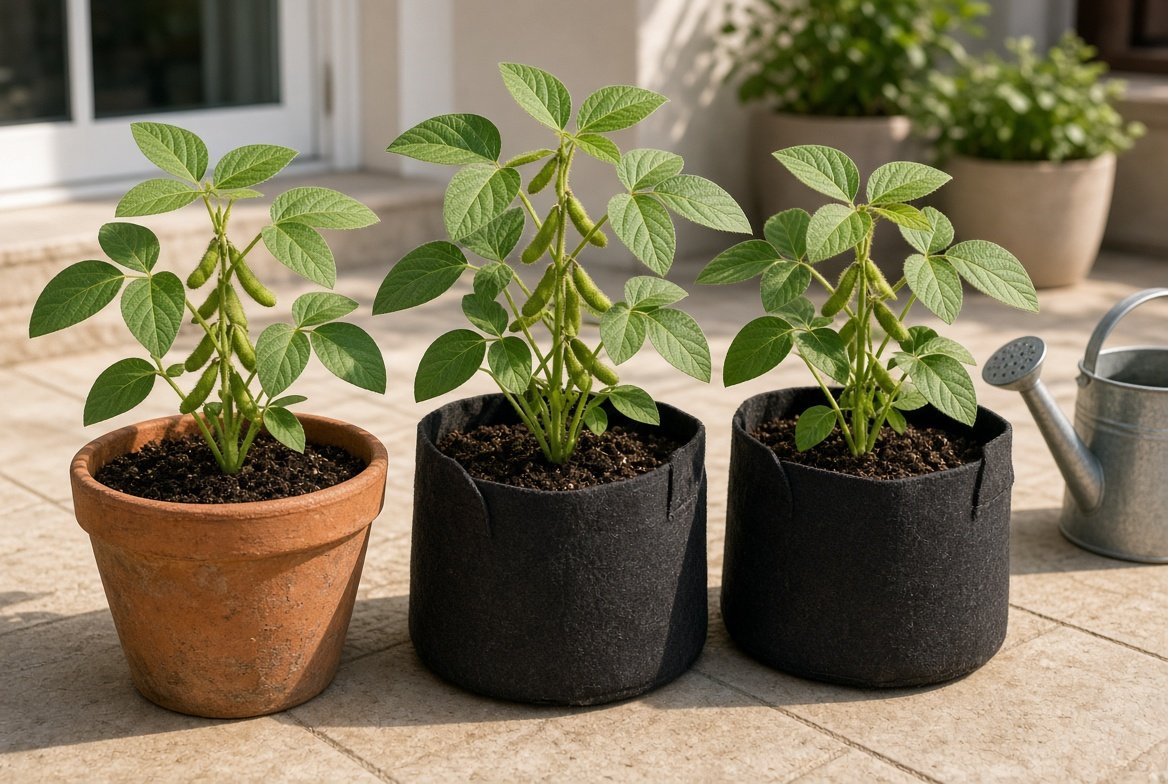
Garden Soybean Planner
Seeds needed, spacing and your harvest window.
Open →
Classroom Activities
Seven hands-on lessons from germination to market math.
Open →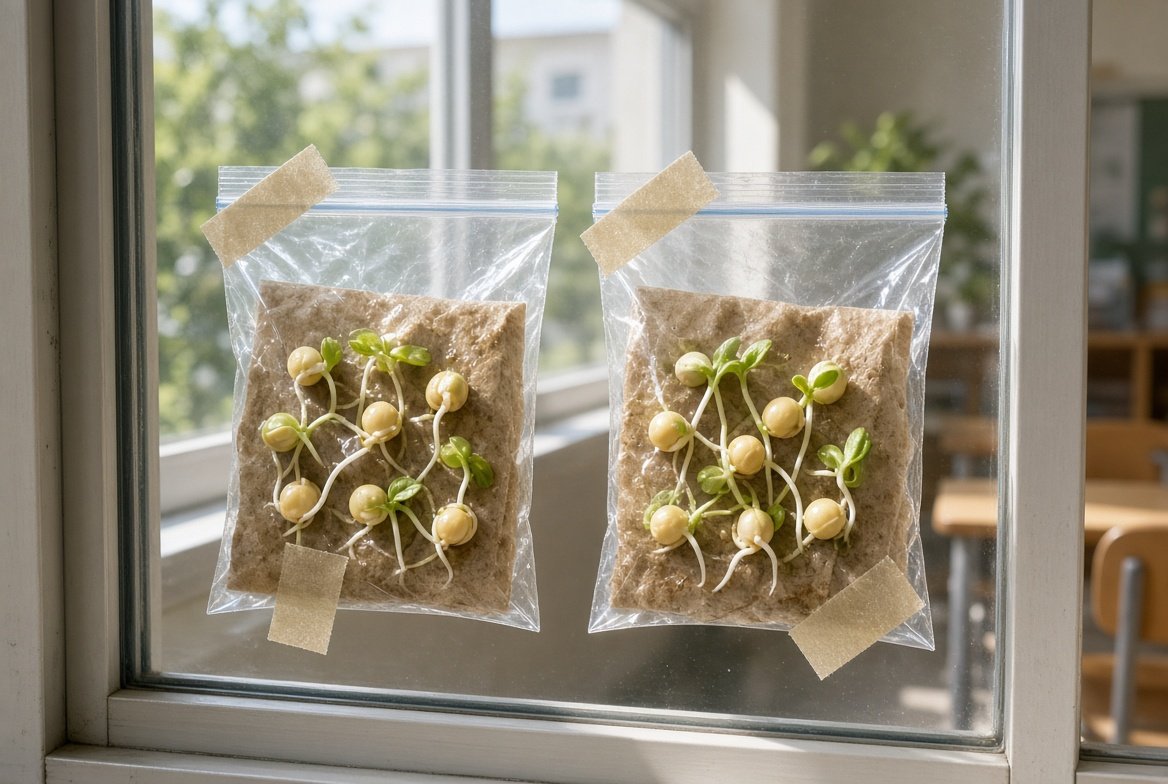
Free Printables
Coloring, journals, word search and project sheets.
Open →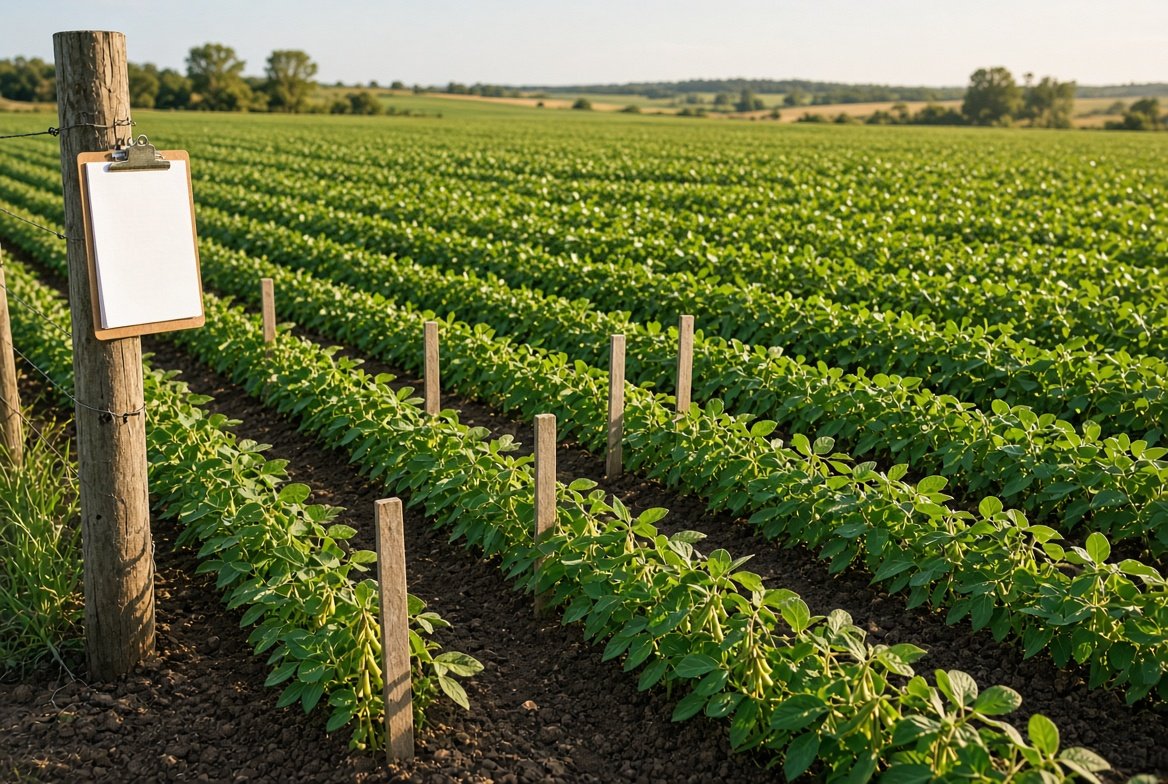
4-H & FFA Projects
Demo plots, fair exhibits, yield math and careers.
Open →
Recipes & Kitchen Science
Edamame, roasted soybeans, hummus and homemade tofu.
Open →Why grow soybeans?
Soybeans are one of the easiest crops to grow from seed and one of the best for teaching. Students can watch a seed sprout in days, count leaves as the plant moves through its growth stages, dig up roots to find the nodules that make the plant's own nitrogen, and finish with a harvest they can cook.
They also connect to a lot more than biology. U.S. farmers planted about 86.9 million acres of soybeans in 2026 and are forecast to harvest about 4.57 billion bushels (USDA, November 2026). Those beans become animal feed, cooking oil, biodiesel, ink and crayons — so a soybean project can lead into math, economics, nutrition and careers.
Teachers and club leaders
Everything here is free to print and share for classroom and club use. Pair the printables with the classroom activities, and use the garden planner to plan a school garden or demo plot. For standards-aligned lesson plans, National Agriculture in the Classroom and your state soybean board are excellent next stops.